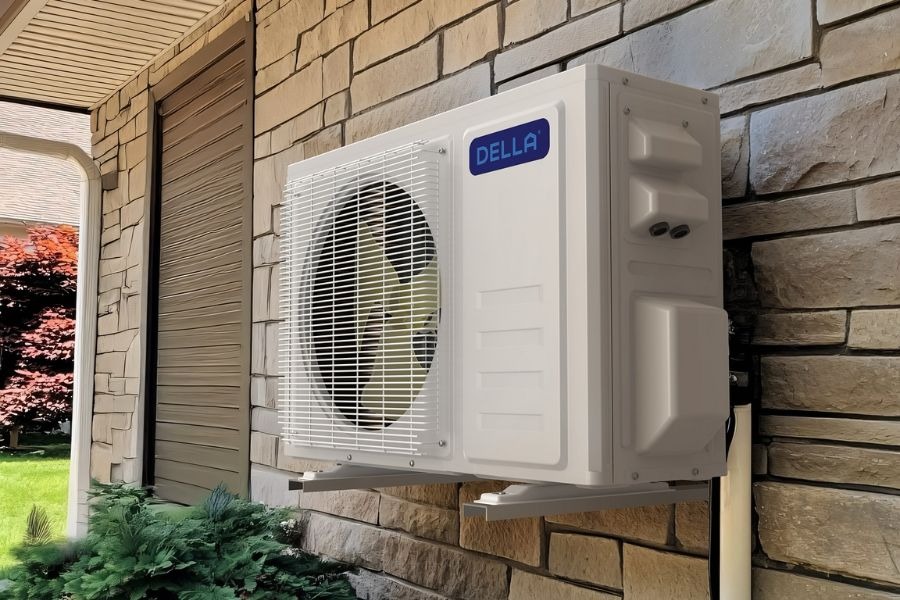
Mini split systems have become increasingly popular for their ability to provide flexible climate control in both residential and commercial settings. Unlike traditional HVAC units that rely on ductwork, mini splits consist of an outdoor compressor and one or more indoor air-handling units. This design allows for individual temperature regulation in different rooms or zones, offering a tailored approach to heating and cooling that enhances comfort and energy efficiency.
One of the key advantages of mini split systems is their versatility. They can be installed in spaces where conventional ducted systems are impractical or impossible to implement, such as older buildings without existing ducts or areas with limited space. The absence of ducts reduces energy loss commonly associated with airflow leakage, making these systems more efficient overall. Because each indoor unit operates independently, users can set distinct temperatures for various rooms according to personal preferences or specific usage patterns.
The flexibility extends beyond zoning capabilities; mini splits also offer multiple installation options. Indoor units come in several styles including wall-mounted, ceiling cassette, floor-standing, and concealed duct models. This variety ensures compatibility with diverse interior designs while maintaining aesthetic appeal. Installation is generally less invasive compared to central air conditioning since it requires only small holes for refrigerant lines rather than extensive ductwork modifications.
Energy efficiency is another significant benefit provided by Mini Split technology. Many models incorporate inverter-driven compressors that adjust speed based on demand rather than cycling on and off abruptly like traditional units. This variable-speed operation minimizes power consumption while maintaining consistent indoor temperatures. Additionally, modern mini splits often feature advanced filtration systems that improve indoor air quality by reducing dust particles, allergens, and other pollutants.
Maintenance for these systems tends to be straightforward due to their simple construction and accessible components. Regular cleaning of filters helps sustain performance levels and prolongs equipment lifespan without requiring specialized tools or frequent professional service visits.
Despite their numerous advantages, selecting the appropriate size and configuration remains crucial for optimal performance. Oversized units may cycle excessively causing wear issues whereas undersized ones struggle to maintain desired comfort levels efficiently.
In summary, mini split systems represent a practical solution for flexible climate control needs across various environments thanks to their zoning capability, ease of installation, energy-saving features, and adaptability in design options.
Leave a Reply