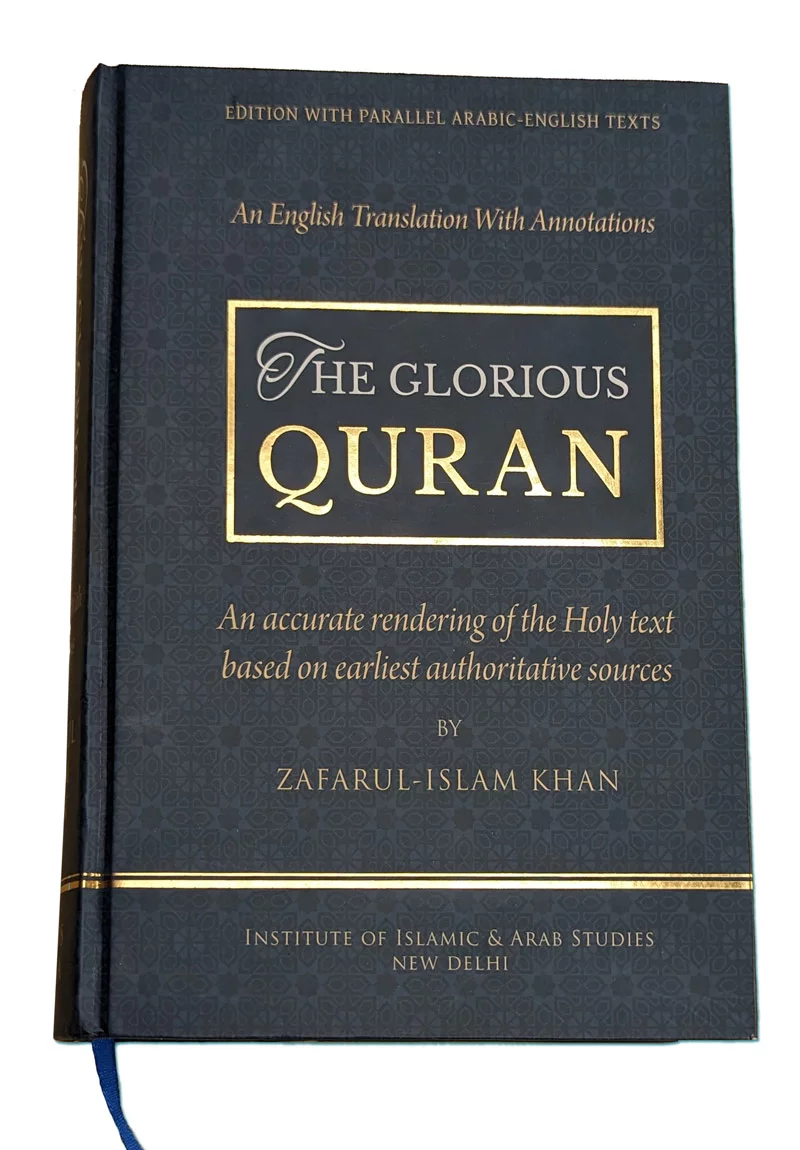
The Quran, believed to be the word of God in Islam, has a rich history rooted in 7th-century Arabia. It was revealed to the Prophet Muhammad over approximately 23 years, beginning in 610 CE. Initially conveyed orally, these revelations were memorized by followers and shared through recitation. This oral tradition played a crucial role in preserving the text before it was compiled into written form. After Muhammad’s passing, efforts began to standardize the Quran. The third caliph, Uthman ibn Affan, commissioned a definitive version around 650 CE. This process ensured consistency across diverse Muslim communities. As time progressed, translations emerged alongside its Arabic text. These adaptations aimed to make its teachings accessible globally while respecting its original essence. Each translation offers insights yet reflects unique interpretations influenced by cultural contexts and linguistic nuances.
Tips for Reading and Understanding the Quran in English
Approaching the Quran in English can be a rewarding experience. Start by choosing a reputable translation. Look for works that are well-regarded among scholars and communities. Take your time with each verse. The Quran is rich in meaning, so don’t rush through it. Reflect on the words you read; let them resonate within you.
Consider reading commentaries alongside your translation. These texts provide context and explanations that enhance understanding. Join study groups or online forums where discussions about the Quran occur regularly. Engaging with others can deepen your insights. Keep a journal to note down thoughts or questions as you read. This practice encourages active engagement and helps track your spiritual journey over time. Listening to recitations can also enrich your experience, connecting you to the melodic beauty of its verses while following along in English text.
Resources for Further Study and Comprehension
Exploring the Quran in English opens up a world of resources tailored for deeper understanding. Online platforms like Quran.com provide not just translations but also tafsir, or interpretations, by respected scholars. These insights can illuminate complex verses and enhance comprehension. Podcasts are another excellent way to engage with the text. Shows dedicated to Islamic teachings often discuss specific chapters and offer contextual background that enriches your reading experience. Books written by reputable authors on Quranic studies can deepen your knowledge significantly. Titles such as “The Meaning of the Holy Qur’an” by Abdullah Yusuf Ali serve as valuable companions. Community groups, both online and offline, create spaces where you can share thoughts and questions about what you read. Engaging in discussions helps clarify doubts and fosters a sense of community among learners. Utilizing these resources will undoubtedly make your journey through the Quran more enlightening and rewarding.
The Benefits of Reading and Understanding the Quran in English
Reading and understanding the Quran in English opens up a world of knowledge and spirituality. For many, it serves as a bridge to connect with their faith on a deeper level. Engaging with the text allows readers to explore its teachings more profoundly. One significant benefit is gaining insight into core Islamic principles. Understanding the Quran helps foster empathy towards Muslims and their beliefs. It can also dispel misconceptions about Islam that often arise from cultural differences or media portrayals.
Leave a Reply