
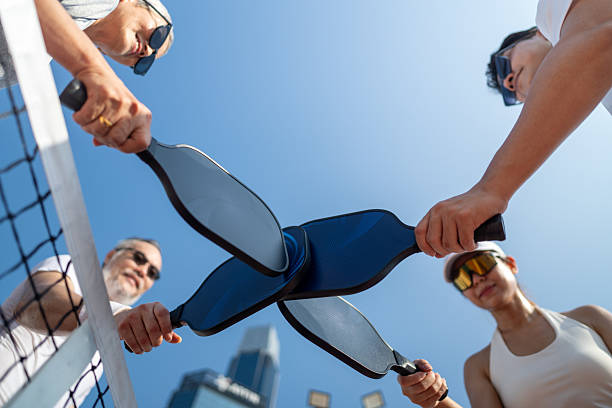
Pickleball has rapidly gained popularity across diverse age groups, emerging as one of the fastest-growing sports worldwide. This surge in interest can be attributed to several key factors that make the game accessible, enjoyable, and beneficial for people of all ages and skill levels. At its core, pickleball combines elements from tennis, badminton, and table tennis, offering a unique blend that appeals to both beginners and experienced players.
One primary reason for pickleball’s widespread appeal is its simplicity and ease of learning. The rules are straightforward, allowing new players to grasp the basics quickly without feeling overwhelmed. Unlike some sports that require extensive training or physical prowess from the outset, pickleball tournaments Texas encourages immediate participation. Its smaller court size compared to traditional tennis reduces physical strain while maintaining an engaging pace. This makes it especially attractive to older adults who seek low-impact exercise but still want a competitive and social activity.
The social aspect of pickleball also plays a significant role in its growing popularity. Many communities have embraced the sport as a way to foster connections among neighbors and friends. Pickleball courts are often found in parks, recreation centers, and retirement communities where people gather not only for exercise but also for camaraderie. The doubles format promotes teamwork and communication while creating opportunities for casual conversation during play breaks. These social benefits contribute positively to mental health by reducing feelings of isolation.
Physical health advantages further enhance pickleball’s appeal across generations. It offers cardiovascular benefits through moderate aerobic activity without excessive joint stress common in high-impact sports like running or basketball. Players improve hand-eye coordination, balance, agility, and reflexes-all crucial components for overall fitness at any age. Regular engagement with pickleball supports weight management and muscle toning while encouraging an active lifestyle that can prevent chronic conditions such as diabetes or heart disease.
Moreover, technological advancements have made equipment more affordable and accessible than ever before. Lightweight paddles with ergonomic designs reduce fatigue during extended play sessions while specialized balls ensure consistent bounce characteristics suitable for indoor or outdoor use. These innovations lower barriers to entry by accommodating varying physical abilities.
In summary, pickleball’s combination of accessibility, social interaction opportunities, health benefits, and inclusive design explains why it resonates with individuals ranging from children to seniors alike. As communities continue investing in facilities dedicated to this sport alongside organized leagues catering to different skill levels, it is likely that pickleball will maintain its status as a favored recreational pursuit well into the future.